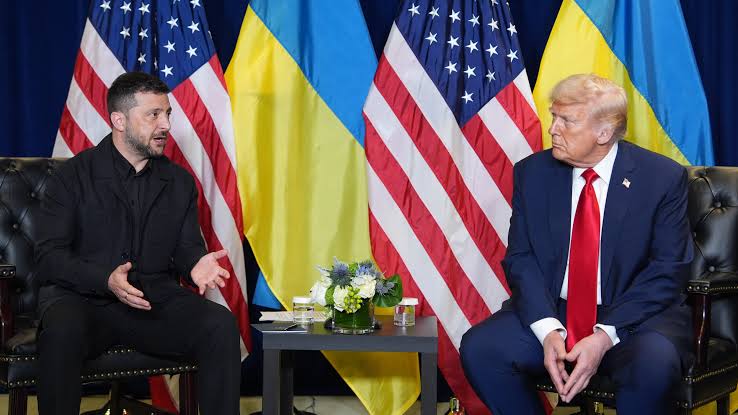

China’s Xi in the limelight at Pacific summit with Trump conspicuous by his absence
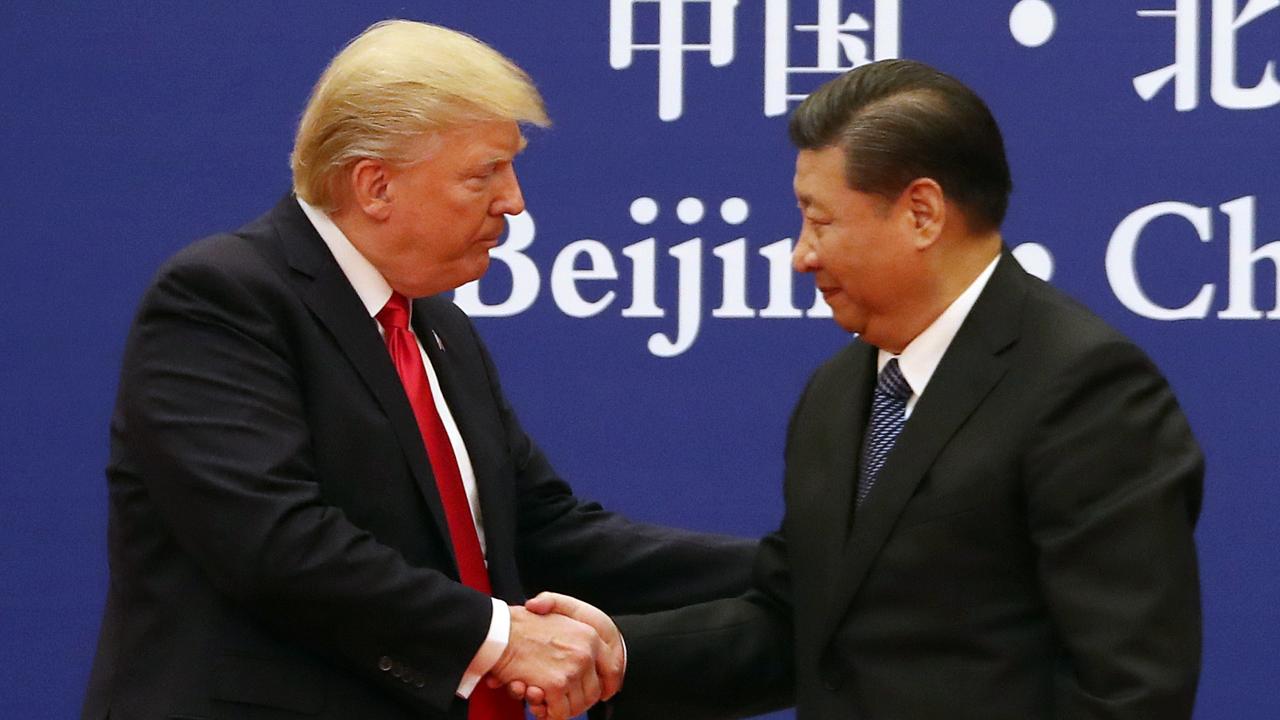
Leaders from across the Pacific, including China’s President Xi Jinping, adopted a new joint declaration on trade and investment during a major summit in Gyeongju, South Korea, on Saturday. However, the spotlight was partly defined by the absence of former U.S. President Donald Trump, who departed South Korea shortly after his high-profile meeting with Xi earlier in the week.
The Asia-Pacific Economic Cooperation (APEC) summit, which unites 21 economies accounting for more than half of global trade, concluded with the signing of the “Gyeongju Declaration.” The agreement commits members to work together on economic recovery, supply chain resilience, and digital innovation, including artificial intelligence (AI).
Xi Calls for Unity and Openness
In his opening remarks, Xi urged regional leaders to strengthen cooperation amid global uncertainty.
“The world is undergoing rapid changes unseen in a century. The more turbulent the times are, the more we must stand together in solidarity,” he said, adding that “China’s door to openness will only open wider.”
Xi also proposed creating a global body to govern artificial intelligence, positioning China as a leading advocate for responsible AI development and cross-border collaboration.
Trump’s Absence Looms Large
Although Trump skipped the APEC summit, his protectionist trade policies and sweeping tariffs continued to influence discussions. U.S. Treasury Secretary Scott Bessent represented Washington during the sessions, as member nations sought ways to stabilize trade relations affected by U.S. economic measures.
South Korea Pushes for Cooperation
South Korean President Lee Jae Myung, who chaired this year’s summit, called for unity in navigating a shifting global economy.
“We are standing at a critical inflection point with a rapidly changing global economic order,” Lee said. “Only cooperation and solidarity can surely lead us to a better future.”
Lee and Xi are also expected to meet for bilateral talks focusing on denuclearization of the Korean Peninsula and regional peace. Ahead of the meeting, Lee acknowledged that relations between Seoul and Beijing had yet to fully recover but expressed optimism about rebuilding mutual trust.
Regional Tensions and Diplomacy
In contrast to Xi’s diplomatic outreach, North Korea dismissed discussions on denuclearization as a “pipedream,” accusing South Korea of ignoring its nuclear status, according to the Korea Central News Agency.
Meanwhile, Xi met with Japan’s new Prime Minister Sanae Takaichi on the sidelines of APEC. Despite longstanding tensions, both leaders agreed to pursue a “strategic, mutually beneficial relationship.” However, Takaichi voiced concerns over China’s export controls, maritime activities, and the detention of Japanese citizens.
“I also asked China to resume Japanese beef and seafood imports,” Takaichi said after the meeting.
The tone of Xi’s meeting with Takaichi contrasted sharply with the warm camaraderie she shared with Trump days earlier in Tokyo, where both leaders celebrated what they called a “new golden age” in U.S.-Japan relations.
A Shift in Global Trade Leadership
Elsewhere, Canadian Prime Minister Mark Carney described his talks with Xi as a “turning point” amid ongoing trade tensions with the U.S. In his speech to APEC, Carney echoed Xi and Lee’s emphasis on unity and adaptation.
“Our world is undergoing one of the most profound shifts since the fall of the Berlin Wall,” Carney said. “That old world of steady liberalized trade and investment — that world is gone.”
The Gyeongju Declaration, while non-binding, reflects a growing consensus among Pacific leaders to bolster supply chains, embrace digital innovation, and navigate a post-globalization era shaped by shifting alliances and economic uncertainty.